

Specification-ledRequirements and acceptance criteria defined first.
Operational data for real-world AI
Real-World AI Data.
Structured.
Traceable.
Project-Ready.
Amsynk AI Data Solutions coordinates dataset sourcing and custom collection across speech, egocentric video, synchronized multi-camera capture, documents, annotation, metadata, and quality-controlled delivery.
Structured
Traceable
Pilot-led
Multi-modal

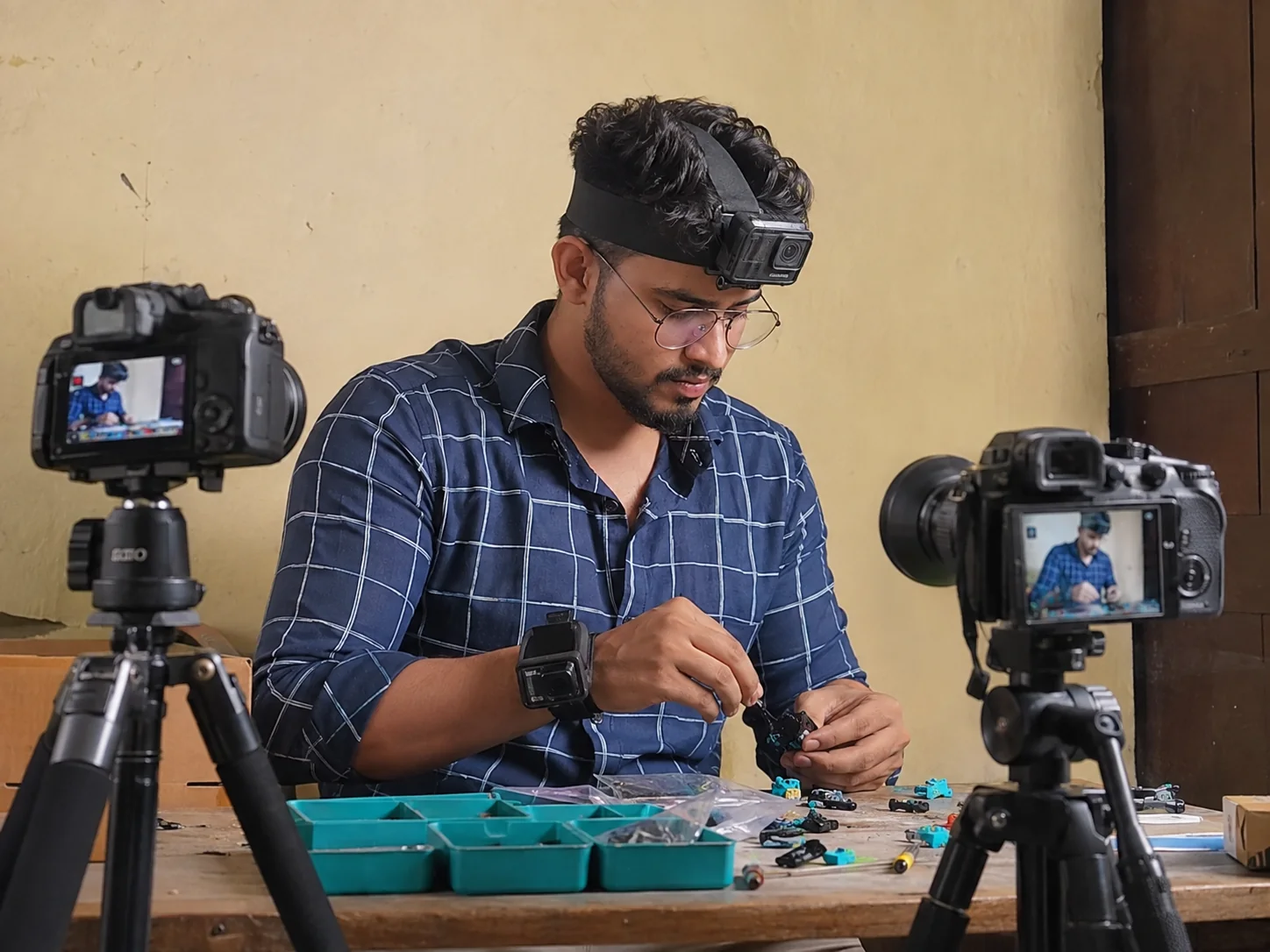
Pilot before scaleCapture setup and sample quality validated early.
Batch-level controlReview points, exceptions and corrections stay traceable.
Documented handoffAccepted files, metadata and manifests organized clearly.
AI training data capabilities
One operating system for multiple data modalities
Select a capability to see the capture method, control points, and typical delivery structure.
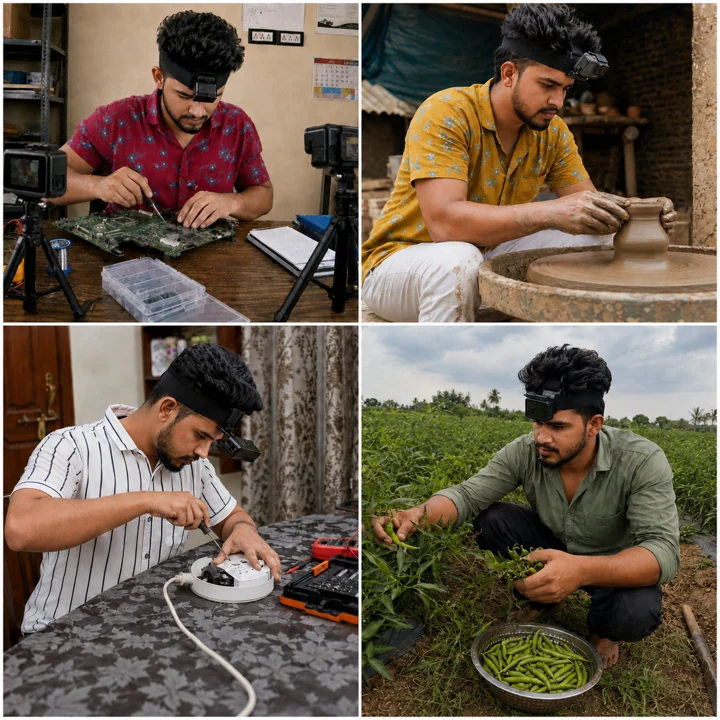
First-person workflows
Capture human task activity from the participant’s viewpoint
Head-mounted, wrist-mounted, or supported smart-camera setups record hands, tools, object interactions, and task sequence in real environments.
- Capture methods
- Head-mounted • wrist-mounted • supported smart cameras
- Control points
- Camera angle • task visibility • consent • protocol adherence
- Typical outputs
- Video • timestamps • task metadata • delivery manifests
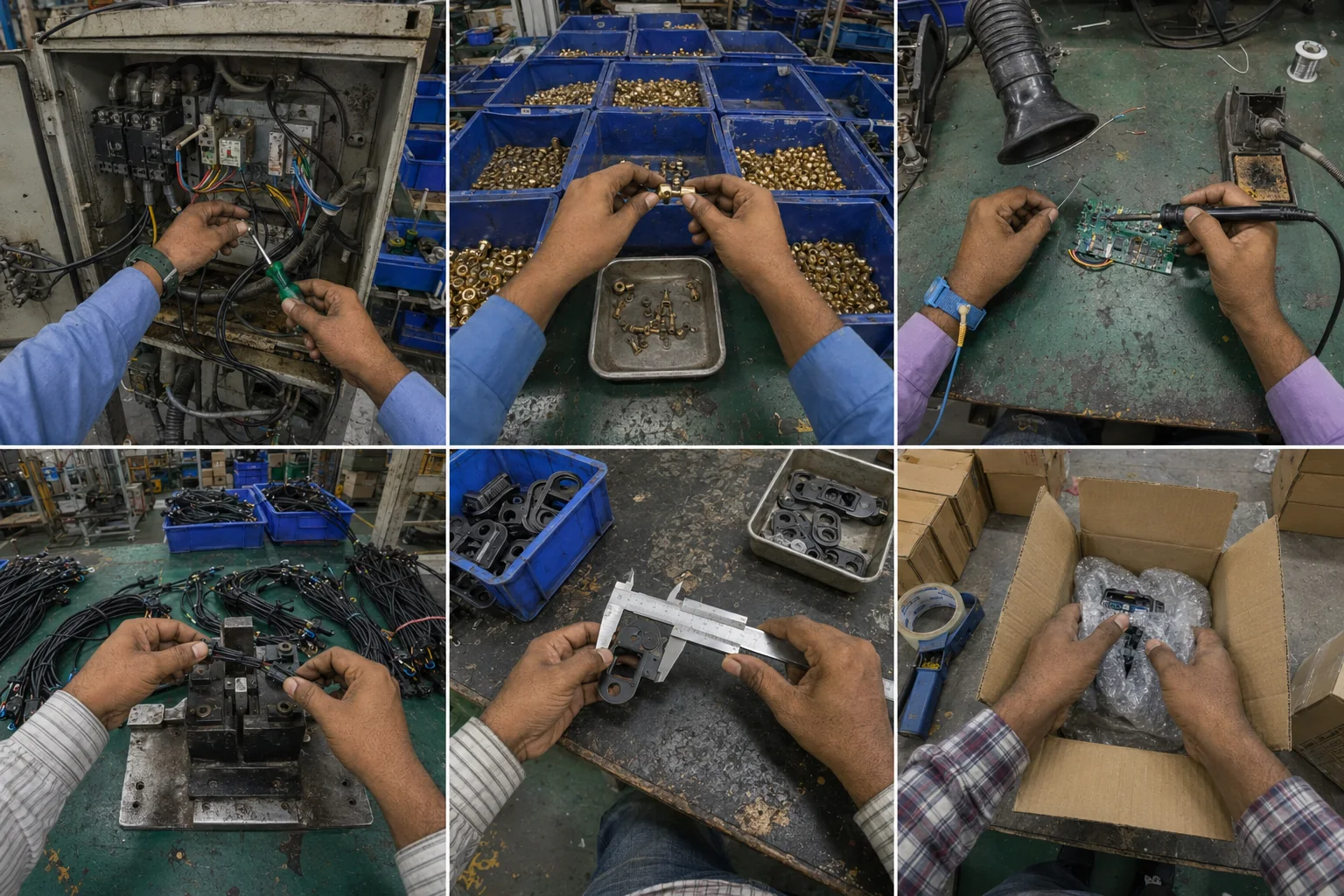
Synchronized viewpoints
Add external context to first-person task capture
Fixed cameras complement the participant view with wider task, body-position, environment, and workflow context.
- Capture methods
- First-person view • side view • wide environment view
- Control points
- Clock alignment • framing • occlusion • file pairing
- Typical outputs
- Synchronized video sets • camera map • timing notes • manifests
Speech and conversational data
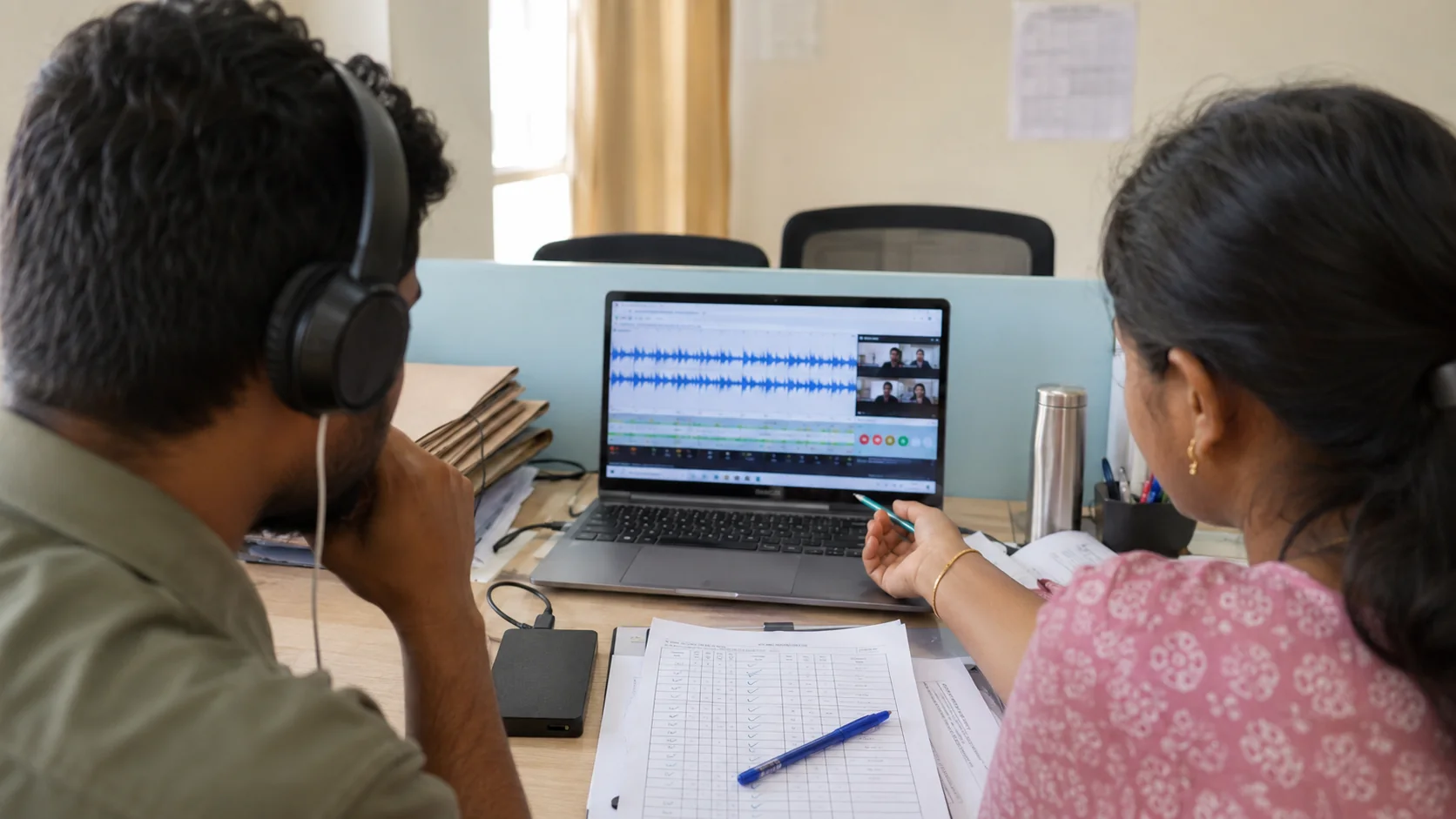
Record language data against defined speaker and audio specifications
Programs can cover scripted speech, paired conversation, call audio, multilingual recording, and transcription-ready assets.
- Collection inputs
- Language • speaker profile • script or topic • device requirements
- Control points
- Audio format • noise level • speaker match • duplicate review
- Typical outputs
- Audio files • transcripts • speaker metadata • QC summaries
Text and visual language data
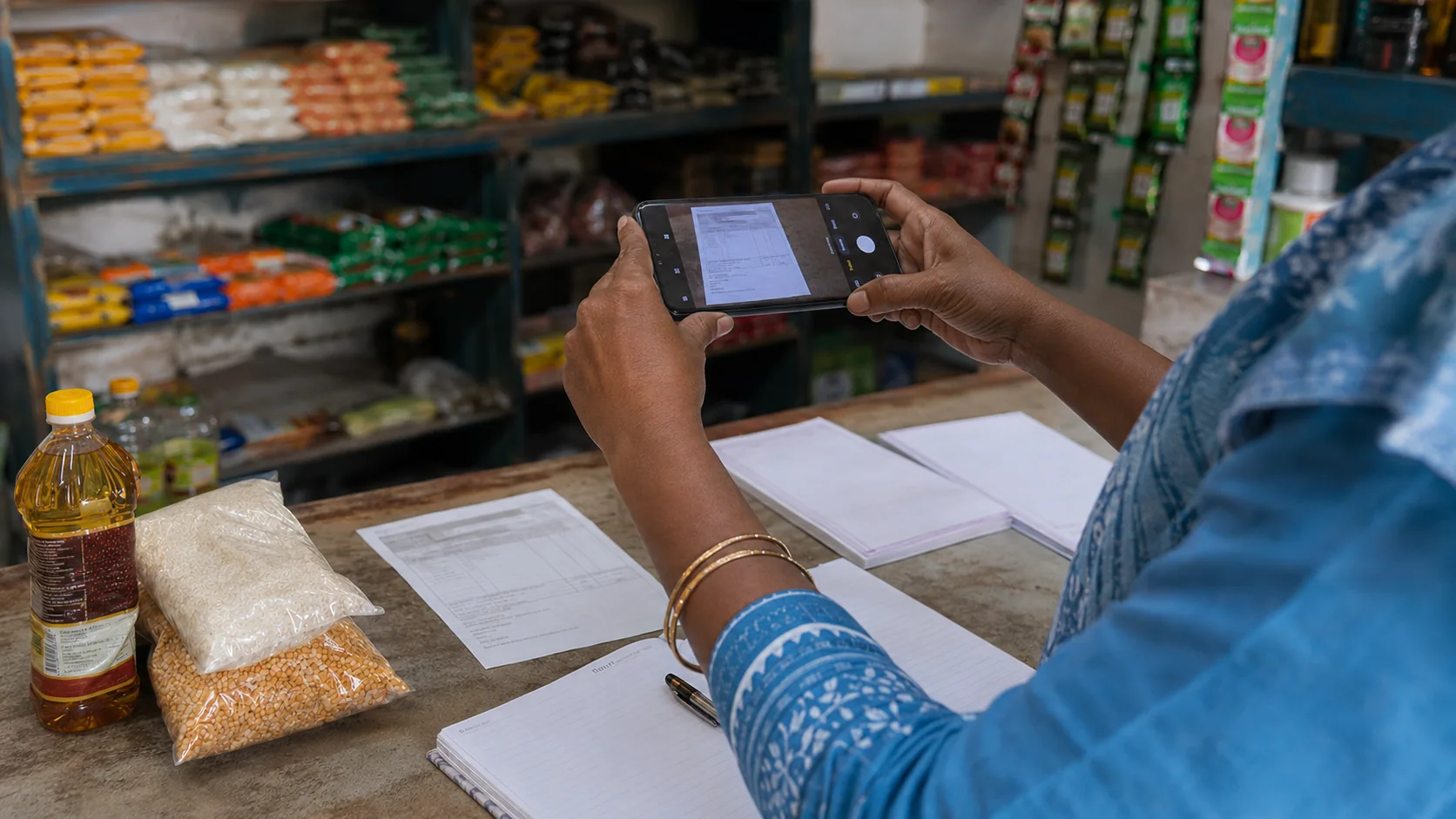
Collect approved documents and scene text from real environments
Workflows can cover printed, handwritten, form-based, market, office, and public-facing text sources according to the approved scope.
- Collection inputs
- Language • document type • geography • image requirements
- Control points
- Permission • readability • duplication • category balance
- Typical outputs
- Images • source metadata • category labels • manifests
Structure and validation
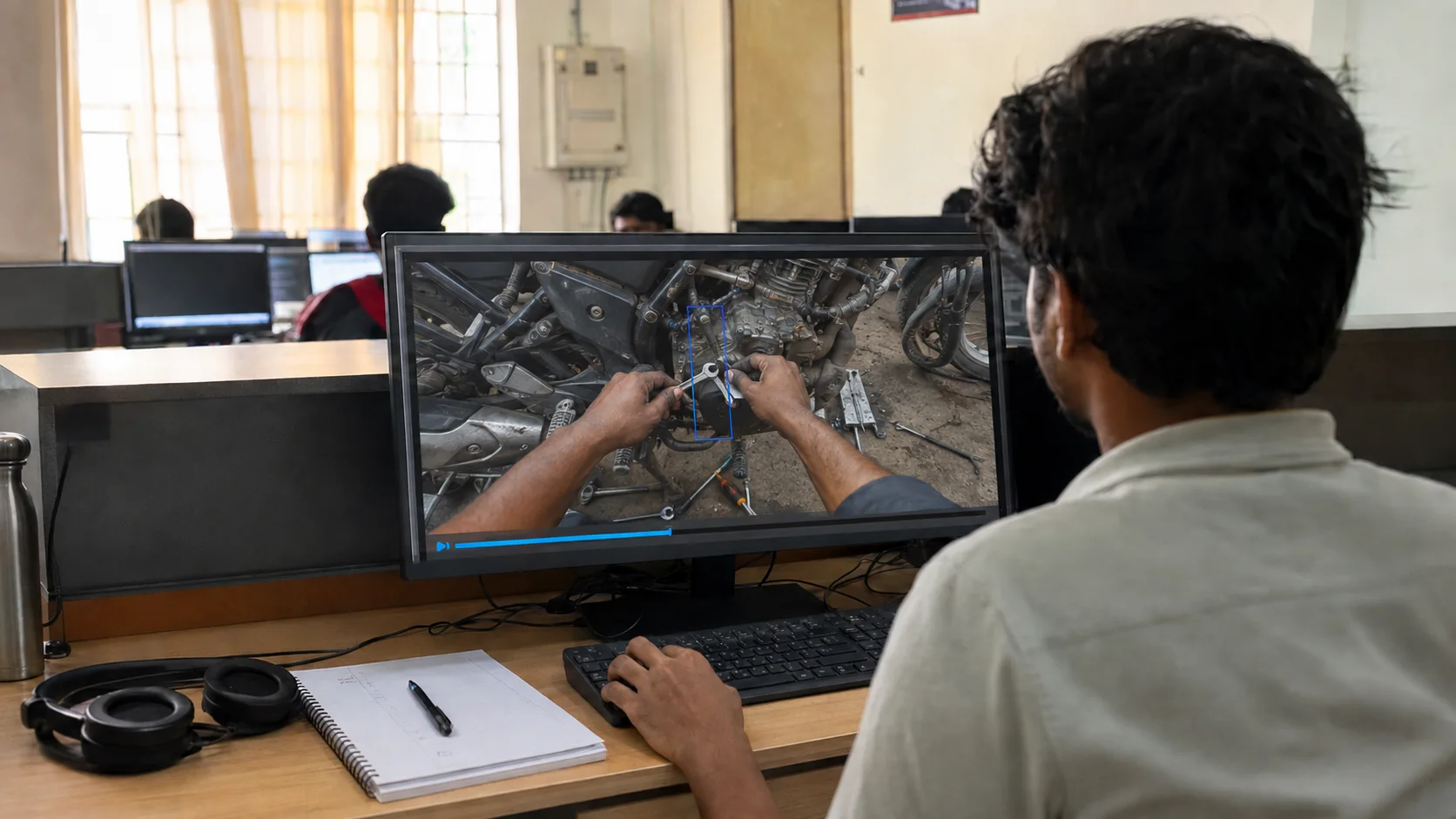
Turn recordings into reviewable, specification-aligned datasets
Annotation and QA can include task boundaries, events, objects, timestamps, metadata completion, file checks, and batch-level review.
- Inputs
- Taxonomy • schema • examples • acceptance rules
- Control points
- Label consistency • missing fields • file integrity • sample audits
- Typical outputs
- Annotations • metadata tables • exception logs • QC reports
Pre-procurement review
Evaluate dataset suitability before a commercial decision
Available datasets can be reviewed for sample quality, format, metadata, duplication, documentation, licensing scope, and requirement fit.
- Review inputs
- Samples • specifications • metadata • documentation
- Control points
- Language or domain fit • technical format • quality risks • rights scope
- Typical outputs
- Evaluation notes • risk summary • suitability recommendation
Capture systems in real environments
One task, multiple viewpoints, complete operational context
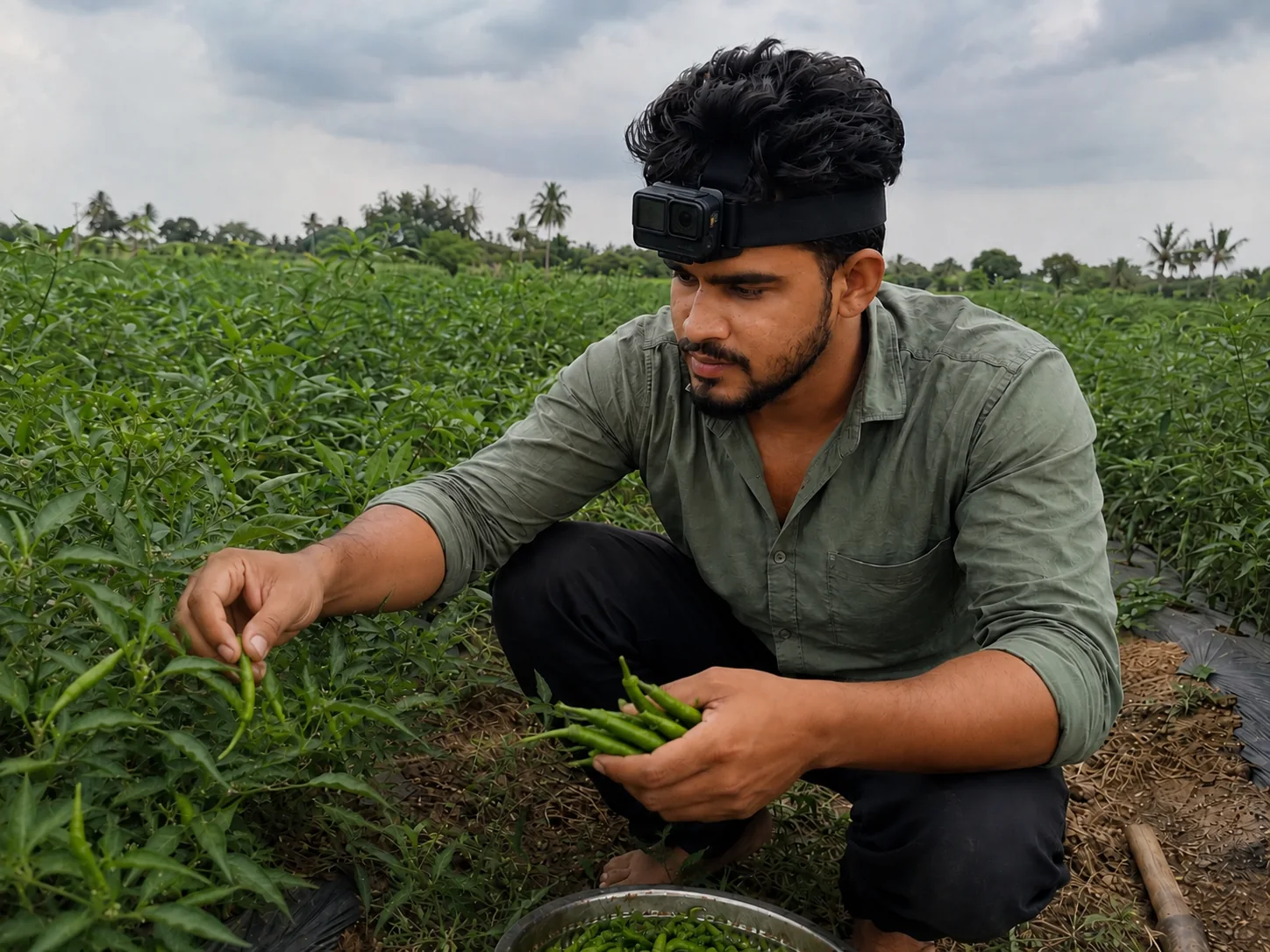
Collection design connects the participant view, external cameras, environment conditions, and task metadata instead of treating them as separate services.
01 First-person view
02 External task view
03 Environment context
04 Wrist view
Synchronized capture design
View capture capability
Viewpoints are planned around what the model needs to observe
Camera position, task framing, participant movement, tools, environment constraints, and required metadata are confirmed through the specification and pilot.
Participant viewHands, tools, objects and sequence.
External viewsBody position, wider action and context.
Task protocolRepeatable instructions and acceptance rules.
Structured outputPaired files, timing notes and manifests.
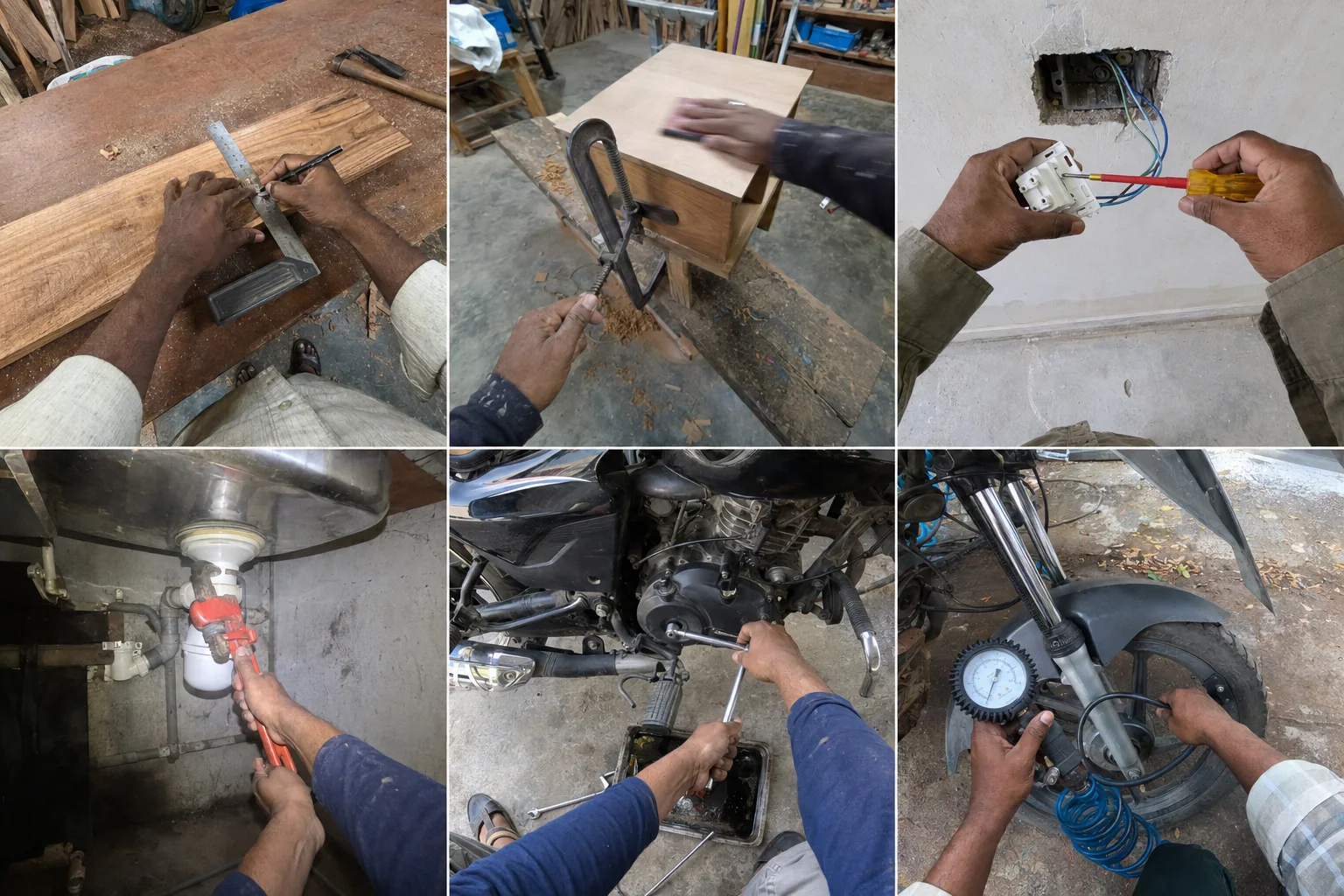
Skilled & maintenanceRepair • tools • assembly
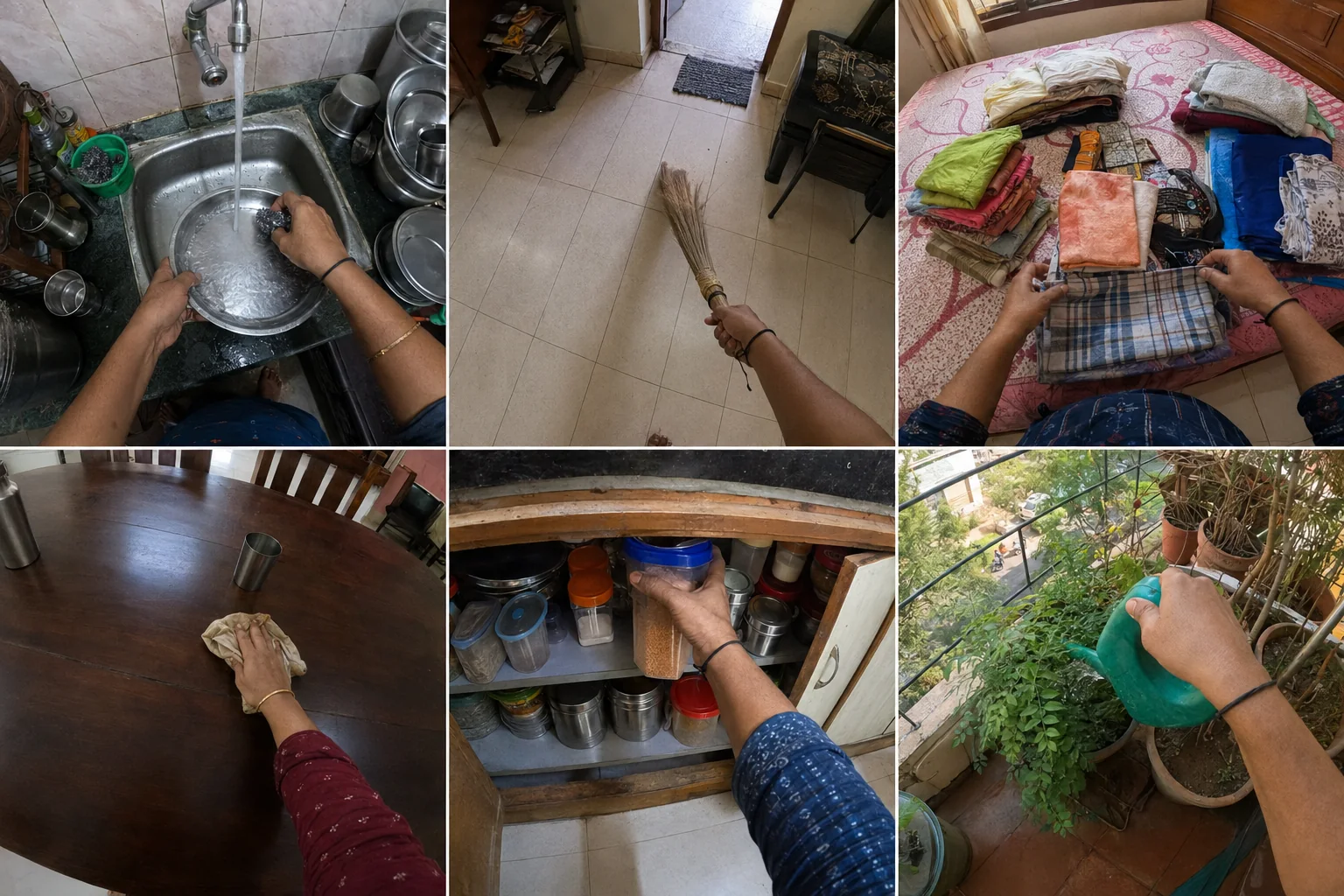
Household activityDaily routines • object interaction
Industrial & fieldOperations • agriculture • workflows
ManufacturingLogisticsAgricultureHealthcare workflowsRetail operationsHospitalitySmart environmentsHousehold activities
Choose your starting point
Start from the decision you need to make
The right engagement depends on whether you already have data, need to validate a collection design, or are ready to execute an approved specification.
Confirm whether available data is suitable before procurement
Review sample quality, technical format, metadata, documentation, duplication risk, licensing scope, and alignment with the target use case.
- Samples and specifications
- Metadata and documentation
- Quality and suitability risks
Validate tasks, devices, viewpoints, instructions, and acceptance criteria
A representative pilot exposes practical issues before scale and provides a clear basis for correction, approval, and production planning.
- Task and participant feasibility
- Camera setup and capture protocol
- Sample review and corrective actions
Move an approved specification into controlled production batches
Execution is planned around recruitment or sourcing, field operations, batch review, exception handling, metadata completion, and structured delivery.
- Production and batch planning
- Quality checkpoints and issue handling
- Accepted files, metadata and manifests
From scope to delivery
A controlled path from scope to delivery
Five defined stages create clear review points from the first requirement through final handoff.
-
Requirement definition
Define the use case, modality, volume, timeline, permissions, and acceptance criteria.
Approved scope -
Protocol and pilot
Translate the specification into instructions, capture setup, and a representative validated sample.
Validated setup -
Controlled collection
Execute the approved sourcing or capture workflow with documented batch controls.
Controlled batches -
QA and structuring
Review file integrity, task visibility, metadata, and any approved annotation schema.
Accepted dataset -
Structured delivery
Organize accepted files, manifests, documentation, and the agreed final handoff.
Documented handoff
Quality control gates
Quality decisions happen before final delivery
Each gate confirms a specific part of the dataset before work moves forward, keeping corrections visible and preventing avoidable problems from reaching the final package.
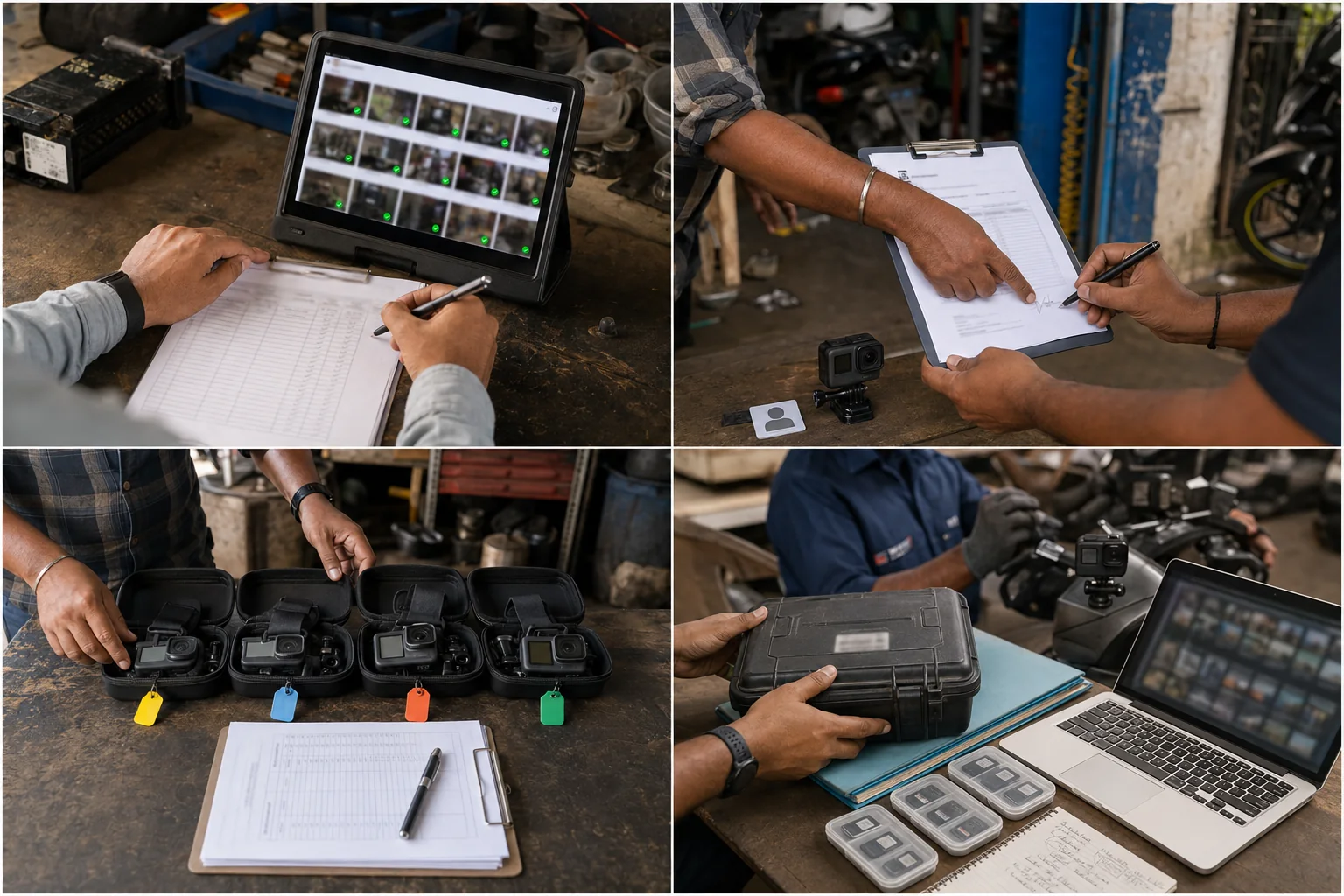
- 01Pilot gate
Instructions, capture setup, sample quality, and acceptance rules are validated.
Output: approved setup - 02Batch gate
File integrity, task visibility, protocol adherence, and exceptions are reviewed.
Output: controlled batch - 03Data gate
Metadata completeness, annotations, naming, and pairing are checked.
Output: accepted dataset - 04Delivery gate
Accepted files, manifests, documentation, and handoff structure are confirmed.
Output: documented delivery
Frequently asked questions
Questions buyers ask before scoping
What types of egocentric data can Amsynk support?
First-person recordings, synchronized multi-camera data, household activities, skilled-work tasks, workplace operations, agricultural activities, and industrial task sequences—subject to feasibility, permissions, and client protocol.
What is the difference between egocentric and exocentric capture?
Egocentric capture records from the participant’s viewpoint. Exocentric capture uses external cameras to show the participant, surroundings, and wider task context. Many projects benefit from using both.
Can the project include audio and metadata?
Yes. Depending on the requirement, collection can include synchronized audio, task labels, timestamps, participant or environment metadata, file naming rules, and delivery manifests.
Do you start directly at full scale?
No. The preferred sequence is requirement review, feasibility, sample, controlled pilot, client feedback, correction, and only then scaled execution.
Initial feasibility review
Share the requirement. We will assess the operating path.
Modality, geography, volume, timeline, capture setup, metadata, and acceptance criteria are enough to begin.
ModalityGeographyVolumeTimelineAcceptance criteria